
Canada Checked the Seafloor Under Its Salmon Farms 592 Times. The Results Undercut the 2029 Trudeau-era Ban.
B.C. has surveyed the seafloor under its salmon farms 592 times since 2011, and the footprint is small and recovers in under 90 days. The federal government's 2029 salmon farming ban would send that oversight overseas.
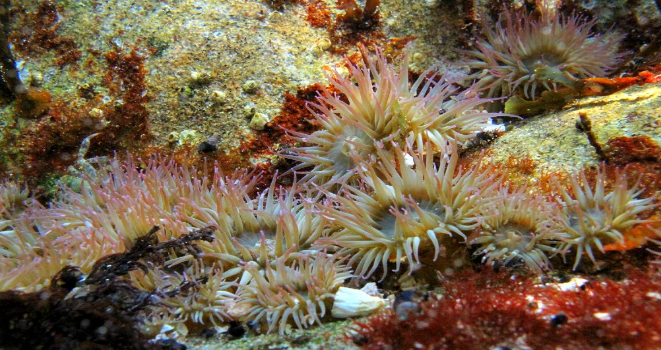
The most common question people have about a salmon farm is what sits on the ocean floor beneath it. It is a fair question, and B.C. has more than twenty years of monitoring data to answer it. The short version: the area of seafloor affected by a farm is small, it is measured constantly, and it recovers during fallow periods. Most sites are recovered and ready for the next generation of fish after less than 90 days of rest.
The science behind that is worth knowing, because it goes to whether Canada keeps this food sector at all.
The footprint is small, and it is measured
When salmon are growing in a net pen, some feed and natural waste settles on the seafloor below. Scientists call this area the nutrient footprint. In B.C. it is not large. Most of the material falls within 150 metres of the cages, and the footprint is generally detectable somewhere between 30 and 300 metres out, depending on currents and the shape of the bottom. Only about 3% of the organic material drifts more than two kilometres, carried by tides across a patchy mix of rock, sand, mud, and broken shell.
None of this is left to guesswork. Farmers use sophisticated models based on data to predict exactly how and where benthic impacts may occur, before a salmon farm is even established. These models are submitted to the regulators who approve salmon farming licences, and follow up with independent monitoring. Between 2011 and 2022 there were 592 regulatory seafloor surveys at B.C. salmon farms. In 86% of them the site met its compliance thresholds on the first survey, with no additional monitoring required before fish could return. To keep the industry-reported numbers honest, the federal Department of Fisheries and Oceans (DFO) conducts random audits at peak biomass, when the most fish and the most feed are in the water. They completed 138 such audits over the same period and found matching results 93% of the time.
There is still a vibrant ecosystem down there
A farm footprint is far from a dead zone. Low levels of organic enrichment can actually support more life on the bottom, not less. Undisturbed seafloor in coastal B.C. holds on average about 52 species living in the sediment. The regulated near-field threshold is set so that even the most-affected 30-metre zone keeps roughly half of that diversity, which is exactly what makes fast recovery possible. The thresholds track both sulfide and oxygen levels along the bottom, and if a site crosses them, it cannot be restocked until a follow-up survey shows it has recovered.
Underwater camera surveys taken at peak biomass show the reality: rocky and cobbled habitat, broken shell, and organisms living within the footprint while the farm is at its busiest.
Recovery happens in two overlapping steps
Nutrients come off a farm in pulses that follow the stocking, growing, harvesting, and fallow cycle of each site. Recovery follows in two stages that overlap. First is chemical recovery, helped along by opportunistic organisms that consume the excess feed and waste. Then comes biological recovery, as the species that naturally live in that patch of seafloor return and re-establish. At some sites, biological recovery begins as soon as harvesting starts.
The fallow period between crops is built into the six-year production plans farmers work from. It gives the bottom time to rest and gives crews time to prepare the site for the next fish. Today most sites take less than three months of fallow to meet their restocking thresholds.
The industry has already moved off its worst sites
The early years of salmon aquaculture were not perfect, and the record is worth being straight about. Some of the first farms in B.C. went into shallow, protected bays with slow currents that were poorly suited to the job. The worst case, Centre Cove in Kyuquot Sound, was estimated to need a 15-year recovery. Sites like that are neither environmentally nor economically sustainable, and over the years every farm with a slow recovery timeline has been phased out of production. Companies have reduced production at low-capacity sites, repositioned cages to improve water flow, closed sites that could not perform, and shifted growing to locations the surrounding water can actually support.
That is what a maturing industry looks like: it finds the places that work and leaves the places that do not.
Why this belongs in the affordability conversation
Only a fraction of the B.C. coast is suitable for raising salmon in the first place. Farms are sited in partnership with the local First Nations, then studied for months or years across temperature, salinity, current, oxygen, and exposure before an application to regulators moves forward. The result is a remarkably efficient way to grow food. A typical farm produces one to 1.5 million pounds of salmon per hectare every two years. For comparison, Canadian beef produces somewhere between 236 and 600 pounds per hectare per year.
The seafloor science is the reason this sector can keep producing affordable Canadian protein on a small footprint while the coast underneath recovers between crops. The Trudeau-era 2029 net-pen ban would set that aside and send the production, and the monitoring standards that come with it, to countries with weaker rules. Canada can do better by keeping this work here.
References
- BC Salmon Farmers Association. 2024. Protecting Biodiversity. In: Modern Salmon Farming in BC: A Review. Chapter 8.
- BC Salmon Farmers Association. 2024. Caring for Wild Salmon: The Local Picture. In: Modern Salmon Farming in BC: A Review. Chapter 3.
- Fisheries and Oceans Canada. Benthic performance at marine finfish aquaculture sites in British Columbia (2011 to 2022).
- Fisheries and Oceans Canada. Aquaculture Activities Regulations guidance document.
Frequently asked
How long does the seafloor take to recover after a salmon farm is fallowed?
Most B.C. sites meet their restocking thresholds after less than three months, roughly 90 days, of fallow. Recovery happens in two overlapping stages, chemical then biological, and at some sites biological recovery begins as soon as harvesting starts.
How big is the footprint under a B.C. salmon farm?
Most organic material settles within 150 metres of the cages, and the footprint is generally detectable between 30 and 300 metres out depending on currents. Only about 3% drifts more than two kilometres.
Who checks the seafloor under salmon farms?
Farmers submit predictive models to regulators before a farm is approved, then monitor the site. Between 2011 and 2022 there were 592 regulatory surveys, and the federal Department of Fisheries and Oceans ran 138 independent audits at peak biomass.
Coalition of First Nations for Finfish Stewardship