
A Permanent Funding Source for Wild Salmon Science. The 2029 Ban Eliminates It.
The Coalition will require salmon farming companies to fund wild salmon research through ICAHS. The federal government's 2029 salmon farming ban would kill that funding.
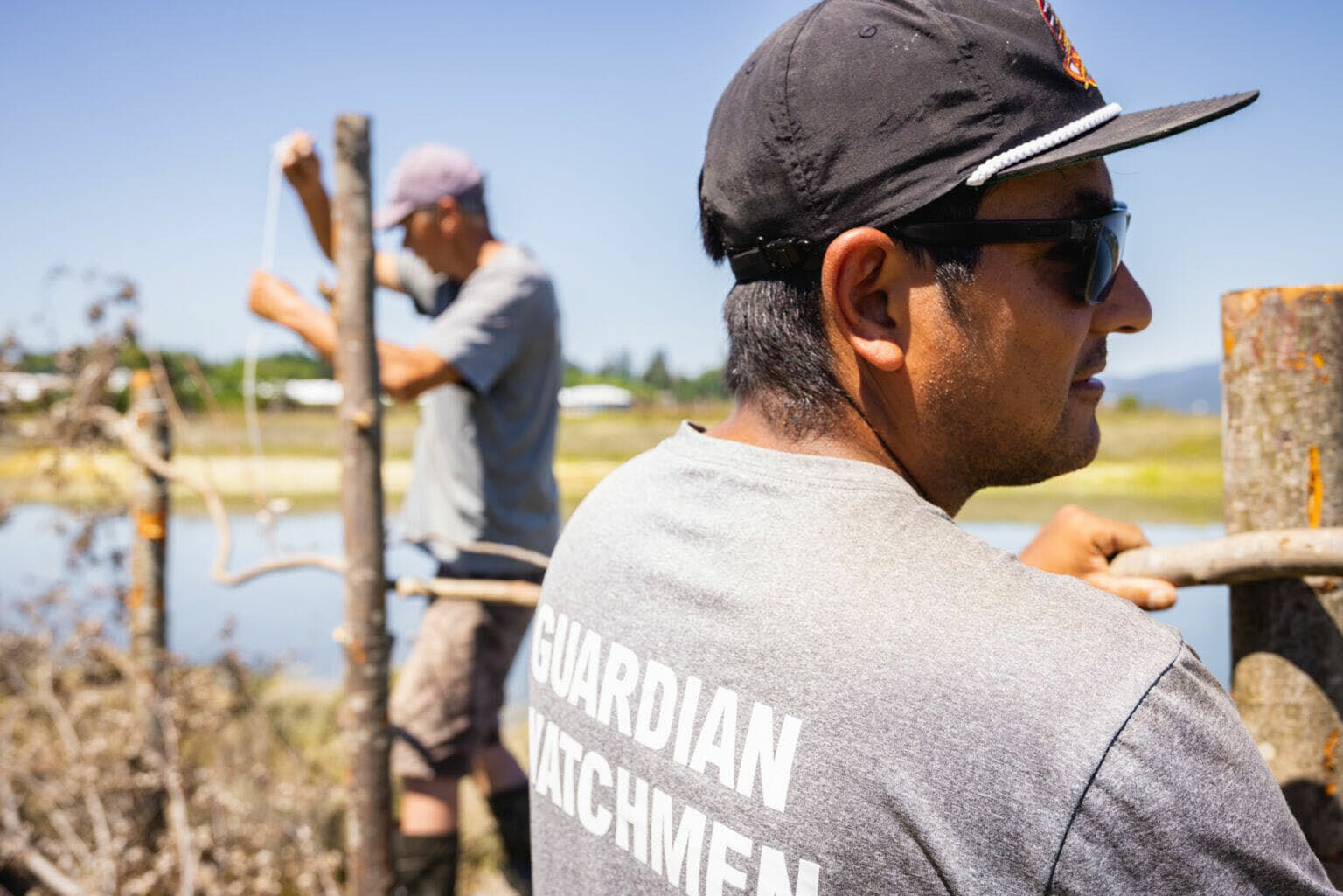
One of the most common questions in the salmon farming debate is what happens to wild salmon. It is a fair question. It deserves a serious answer backed by real investment.
The First Nations Fin Fish Stewardship Coalition has one. With the lifting of the 2029 net-pen salmon farming ban, the Coalition will require partner companies to contribute funds towards wild salmon research and conservation through the Indigenous Centre for Aquatic Health Sciences.
That is science funded directly by the companies that harvest the fish, governed by the First Nations in whose waters those fish are raised. A permanent, built-in commitment to wild salmon conservation that grows alongside the industry itself.
What ICAHS Is
The BC Centre for Aquatic Health Sciences, based in Campbell River, BC, is an ISO-accredited research lab. It is currently transitioning into iCAHS - the Indigenous Centre for Aquatic Health Sciences and Stewardship - with modernized governance to be Indigenous-led.
ICAHS sits in the territory of the Wei Wai Kum and We Wai Kai First Nations. It works with wild, enhanced, Indigenous, and salmon farming communities within BC to provide research and diagnostic information that helps people make informed decisions on issues facing salmon.
The centre brings together Western science and traditional ecological knowledge. It trains First Nations community members in scientific methods. It provides laboratory analysis, environmental monitoring, and research capacity that individual communities could not sustain on their own.
Dr. Ahmed Siah, Managing Director of BC CAHS, described the centre's role in the preface to the Modern Salmon Farming in BC science review: a collaborative effort to build trust, transparency, and scientific capability between Indigenous communities, Western science, and industry.
What the Levy Funds
The proposed levy creates a permanent, predictable funding stream for wild salmon research. Every pound of farmed salmon harvested in BC would contribute directly to the science that monitors, protects, and restores wild salmon populations.
The levy is a structural commitment, not a one-time gesture. As long as the farms operate, the funding flows. The more salmon Canada produces domestically, the more money goes into wild salmon research.
That funding would support the kind of work that is already underway at ICAHS and through partnership programs along the BC coast. Salmon farmers are already involved in monitoring ocean conditions, mapping salmon watersheds and migration routes, tracking plankton populations, and contributing data to wild salmon conservation efforts.
The science review chapters document 40 years of fish health management practices that have been developed through collaboration between veterinarians, fish health teams, regulatory agencies, and First Nations. Seven distinct safeguards protect wild fish from farm-source pathogens - from selective breeding and hatchery biosecurity through to veterinary treatments, health monitoring, and regulatory audits.
The levy would strengthen and expand this work under Indigenous governance.
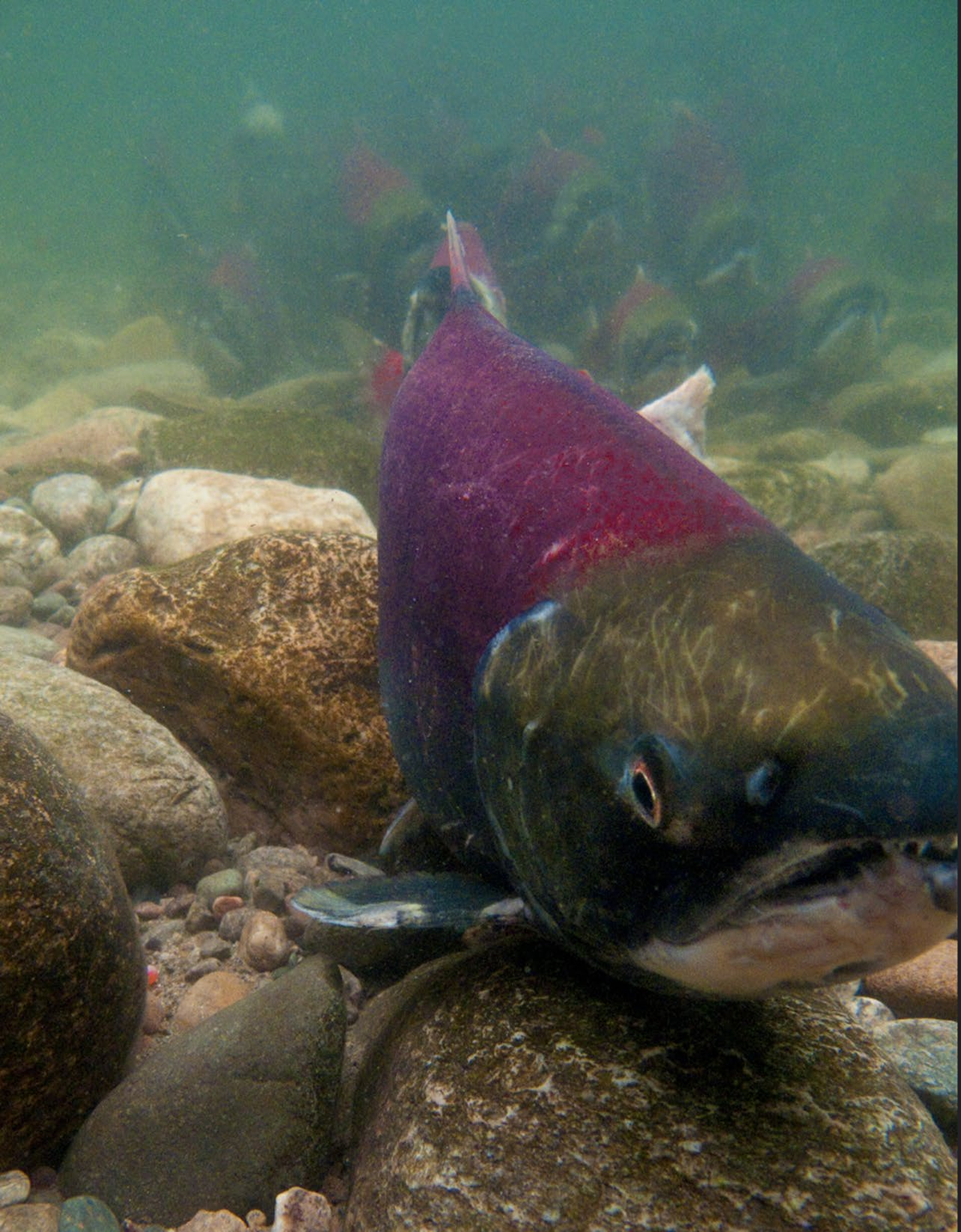
What the Ban Does to This Plan
The 2029 salmon farming ban does not just eliminate jobs and food supply. It eliminates the funding mechanism.
No farmed salmon harvested means no levy collected. No levy means no industry-funded wild salmon research through ICAHS. The very policy that claims to protect wild salmon would remove one of the most promising sources of dedicated conservation funding on the BC coast.
This is worth sitting with for a moment. The federal government has committed significant public funds to Pacific salmon restoration. The Coalition is offering a way for industry to contribute its own money to that same goal - governed by First Nations, grounded in science, sustained by production.
The ban removes the production. And with it, the funding.
The Bigger Picture
Protecting wild salmon requires understanding wild salmon. That means long-term research, consistent monitoring, and the capacity to adapt as ocean conditions change.
The threats to wild Pacific salmon are real: warming ocean temperatures, changing currents, habitat degradation, shifting predator-prey dynamics, and changing freshwater conditions. These are large, complex, multi-factor challenges. They require sustained scientific investment.
The ICAHS model offers something the current approach does not - a permanent, non-governmental funding source tied to a productive economic activity, governed by the people who have stewarded these waters for thousands of years.
Reversing the salmon farming ban would protect this funding mechanism. It would enable an Indigenous-led science centre to grow its capacity. It would align wild salmon conservation with domestic food production rather than pitting the two against each other.
The investment is on the table. The plan is ready. The only thing standing in the way is federal policy.
References
(1) First Nations for Finfish Stewardship. Key Messages, press conference, April 14, 2026.
(2) BC Salmon Farmers Association. (2024). Modern Salmon Farming in BC: A Review, Chapter 00: Preface, p. 0-v to 0-vi. Forward by Dr. Ahmed Siah.
(3) BC Salmon Farmers Association. (2024). Modern Salmon Farming in BC: A Review, Chapter 4: Indigenous Stewardship, p. 4-9.
(4) BC Salmon Farmers Association. (2024). Modern Salmon Farming in BC: A Review, Chapter 1: Caring for Coastal BC, p. 1-43.
(5) BC Salmon Farmers Association. (2024). Modern Salmon Farming in BC: A Review, Chapter 11: Fish Health, p. 11-25 to 11-26.
(6) BC Salmon Farmers Association. (2024). Modern Salmon Farming in BC: A Review, Chapter 3: Local Habitats, p. 3-2 to 3-8.
Frequently asked
What is ICAHS?
The Indigenous Centre for Aquatic Health Sciences is an Indigenous-led research centre in Campbell River, BC that uses both Western science and traditional knowledge to study wild salmon health, environmental monitoring, and conservation.
How would the salmon farming industry fund wild salmon research?
The Coalition will require partner companies to contribute funds from harvested farmed salmon into wild salmon research and conservation through ICAHS. This is industry-funded science governed by First Nations.
Coalition of First Nations for Finfish Stewardship