
100% of salmon farms in B.C. operate with First Nations permission. That is economic reconciliation in action.
Every salmon farm in B.C. operates under agreement with the local First Nation. The federal government's 2029 salmon farming ban would dismantle these partnerships.
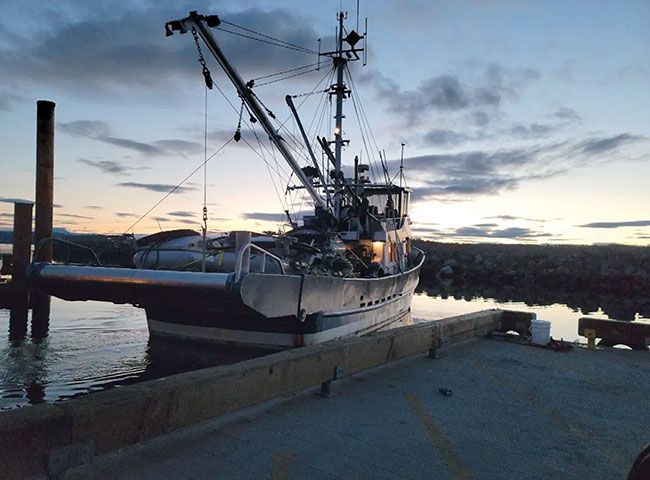
Every salmon farm in British Columbia operates under an agreement with the First Nation in whose territory it sits. Not most of them. Not the well-run ones. All of them.
That 100% figure did not happen by accident, and it did not happen overnight. It is the result of two decades of relationship-building between salmon farming companies and coastal First Nations, including some hard lessons about what happens when companies operate without consent. Where Nations did not want farms, the companies left. As of 2023, every remaining farm is there because the local Nation agreed to it.
This is how modern salmon farming in B.C. actually works. It is a practical example of consent-based economic reconciliation, grounded in First Nations agreement, Indigenous decision-making, long-term relationships, and shared local benefit. It is also one of the strongest arguments against the Trudeau-era 2029 salmon farming ban making so little sense.
What the agreements look like
The partnerships between First Nations and salmon farming companies are built on impact-benefit agreements. The details vary from Nation to Nation, but they typically cover six areas: labour, economic development, community well-being, environmental oversight, financial arrangements, and commercial opportunities.
Beyond the money, these agreements include employment and training for Nation members, first rights of refusal for Nation-owned businesses and contractors, environmental monitoring by First Nations Guardian Watchmen, environmental thresholds set by the Nations themselves, wild salmon restoration projects, watershed commitments, and direct support for community programs.
Every one of these agreements is formal and binding, giving Nations direct oversight of what happens in their own marine spaces.
Guardian Watchmen: Indigenous oversight on the water
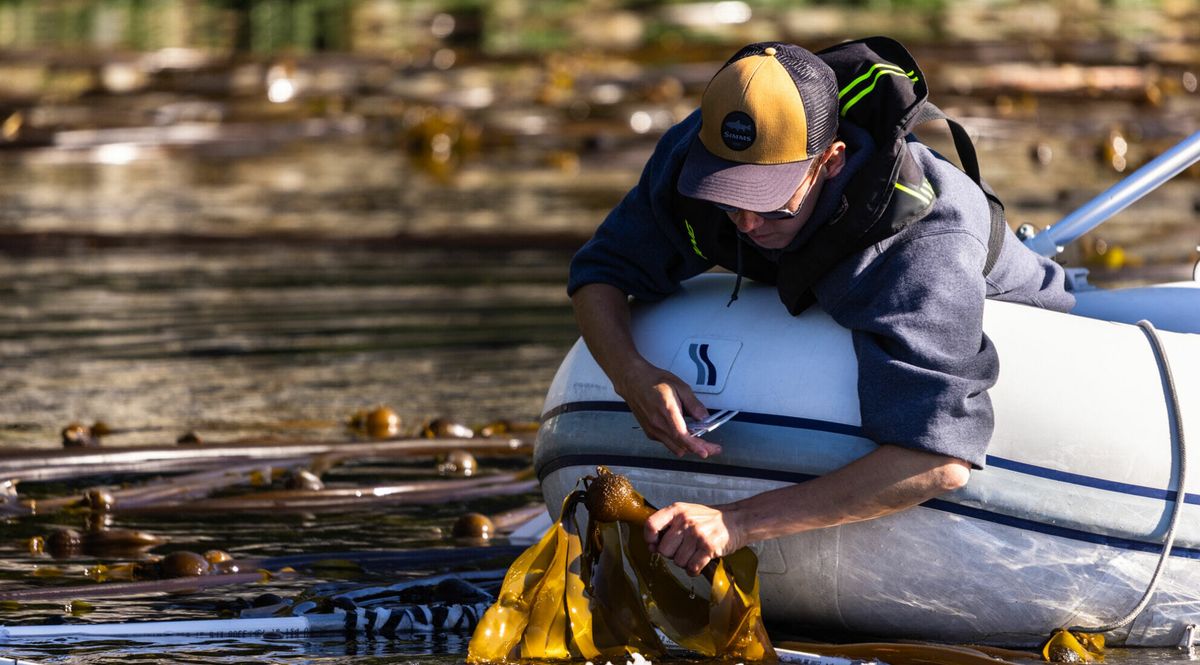
One of the most significant parts of these partnerships is the role of Guardian Watchmen and stewardship programs. Guardians are the eyes and ears for First Nations on the coast, keeping watch over their territories year-round.
In communities with salmon farms, Guardians work directly with farming operations. They monitor day-to-day activity at farm sites and inspect contractor work. They conduct juvenile wild salmon sampling in waters near the farms. They survey surrounding ecosystems, including kelp beds, eelgrass, and glass sponge reefs. They collect water quality samples and environmental data. They ensure that cultural sites are identified and protected.
Nations are exercising direct authority over their own territories, using a mix of traditional knowledge and modern science to manage their marine environment on their own terms.
As Chief Roberts of the Wei Wai Kum First Nation has said, combining Guardian monitoring with Western science and traditional knowledge produces the most informed decisions possible.
What this means for Canadian food
The Trudeau-era 2029 salmon farming ban would shut down an industry that every participating First Nation has chosen to be part of. That is a significant point, and it deserves to sit on its own.
Over 700 Indigenous people work directly and indirectly in the sector. The industry provides $120 million in total annual direct and indirect economic benefits to First Nations, with $42 million going directly into Indigenous communities and $24 million flowing to Indigenous-owned businesses each year.
These are not jobs and revenues that can be replaced. For many of these communities, the alternatives do not exist.
When the federal government says it supports economic reconciliation, here is what it would be dismantling: an industry where First Nations have genuine decision-making authority, where they set the environmental standards, where their members work on the water and in processing plants, and where the revenue goes directly into housing, health, education, and community programs.
The contradiction Ottawa cannot ignore
Canada has made clear commitments to uphold Indigenous rights, strengthen Indigenous participation in the management of fisheries and habitats, and advance national aquaculture legislation that supports First Nations' self-determination.
The 2029 salmon farming ban runs directly against those commitments. It overrides the decisions that coastal First Nations have already made about their own territories. It removes an economic engine that Nations built on their own terms. And it does so against the expressed wishes of the Nations whose rights the government says it is protecting.
The Coalition of First Nations for Finfish Stewardship was formed in 2022 precisely because of this contradiction. Nations saw what happened in the Campbell River region when the federal government closed salmon farms against the wishes of the local First Nations. They formed a coalition to ensure that the precedent would not be repeated along the coast.
Their position is clear: title-holder First Nations should have the right to decide for themselves whether, when, and how salmon farms operate in their waters.
What should happen next
Reversing the Trudeau-era 2029 salmon farming ban is both an economic decision and a reconciliation decision.
These are Nations that have stewarded their waters for thousands of years and are ready to keep building the future in those same waters. The partnerships are working. The oversight is in place. The investment is on the table.
The federal government has the power to deliver on its own stated commitments to affordability, food security, and economic reconciliation with one practical decision. The Coalition's Nations are asking Ottawa to make it.
References
B.C. Salmon Farmers Association. Modern Salmon Farming in British Columbia - A Science-Based Review. Chapter 4: Indigenous Stewardship - Connecting with the Original Guardians of the Coast. Version 1.0, March 2024.
B.C. Salmon Farmers Association. Modern Salmon Farming in British Columbia - A Science-Based Review. Chapter 1: Caring for Coastal B.C. Version 1.0, March 2024.
B.C. Salmon Farmers Association. FAQ: First Nations and B.C. Salmon Farmers. Version 04.
Government of Canada. UN Declaration Act Action Plan. June 21, 2023.
First Nations Fin Fish Stewardship Coalition. Key Messages - Press Conference. Version 2, April 14, 2026.
Frequently asked
Do salmon farms in B.C. operate with First Nations permission?
Yes. 100% of farmed salmon in B.C. is raised in partnership and in agreement with the rightsholder First Nation in whose territory the farms operate.
What are impact benefit agreements in salmon farming?
Impact benefit agreements between First Nations and salmon farming companies typically cover six areas: labour, economic development, community wellbeing, environmental oversight, financial arrangements, and commercial opportunities.
What do Guardian Watchmen do on salmon farms?
Guardian Watchmen monitor farm site activity, conduct juvenile wild salmon sampling, survey surrounding ecosystems, collect water quality data, and ensure cultural sites are protected.
How does the 2029 salmon farming ban affect First Nations?
The ban would shut down an industry that provides over $120 million in annual economic benefits to First Nations, employs over 700 Indigenous people, and operates entirely with First Nations consent.
Coalition of First Nations for Finfish Stewardship