
BC Salmon Farming - What Real and Meaningful Economic Reconciliation Looks Like
Economic reconciliation is already taking shape on B.C.'s coast through Indigenous-led salmon farming. Reversing the federal government's 2029 salmon farming ban would let it keep growing.
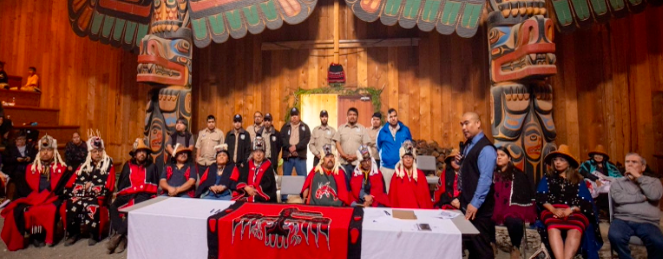
Reconciliation is a word used often in Ottawa. It appears in mandate letters, in budget speeches, in the names of federal action plans. Putting it into practice, in a way a community can see and measure, is the harder and more important work.
On the central and north coast of British Columbia, that work is already well underway. It looks like a Nation that holds a stake in the processing plant down the inlet. It looks like own-source revenue paying for housing and a youth program, on the community's own terms. It looks like a young person trained, certified, and working a year-round job in the territory their family has lived in for thousands of years.
That is economic reconciliation in practice. Reversing the Trudeau-era 2029 net-pen ban would let coastal First Nations carry it forward.
Reconciliation that pays for something
Reconciliation matters most when it funds a community. That is the version coastal First Nations have been building.
The term that matters here is own-source revenue. It means money a Nation earns and controls itself, rather than money that arrives from a federal department with conditions attached. Own-source revenue is what lets a Nation set its own priorities. It pays for the things a community decides it needs, on the community's own timeline.
For many coastal First Nations, salmon farming is the single largest source of that revenue.
These are remote communities, where year-round, well-paying work is genuinely hard to find and the alternatives are often seasonal or require leaving home. Salmon farming changed that math. As of early 2022, the sector directly and indirectly employed more than 700 Indigenous people, delivered $51 million in annual direct economic benefit to First Nations communities, and put $21 million each year into Indigenous-owned businesses.
For most of these communities, that revenue would be very difficult to replace. There is no second industry waiting in the wings.
Ownership, not just employment
A job is good. Ownership is where economic reconciliation grows roots.
Across the sector, First Nations are doing more than working on the farms. They are building businesses around them and taking equity positions in the supply chain. Indigenous-led operations now include seafood processing and value-added products such as smoked and canned salmon, along with transport boats, crew boats, and net-washing services. The agreements that govern farm operations increasingly carry first-right-of-refusal provisions, so that contracts go to businesses and contractors from the Nation first.
Klemtu, on the Central Coast roughly 800 kilometres north of Vancouver, shows what this can grow into. The Kitasoo Xai'xais Nation first farmed salmon in their own waters in the late 1980s. After those early operations struggled, the Nation formed a partnership in 1998, the first formal Nation-company partnership in the province. The processing plant in Klemtu was later converted into a smokehouse, and the community now produces its own retail seafood product, sold through a major national grocery chain. The Nation has a hand in the whole path from the water to the store shelf.
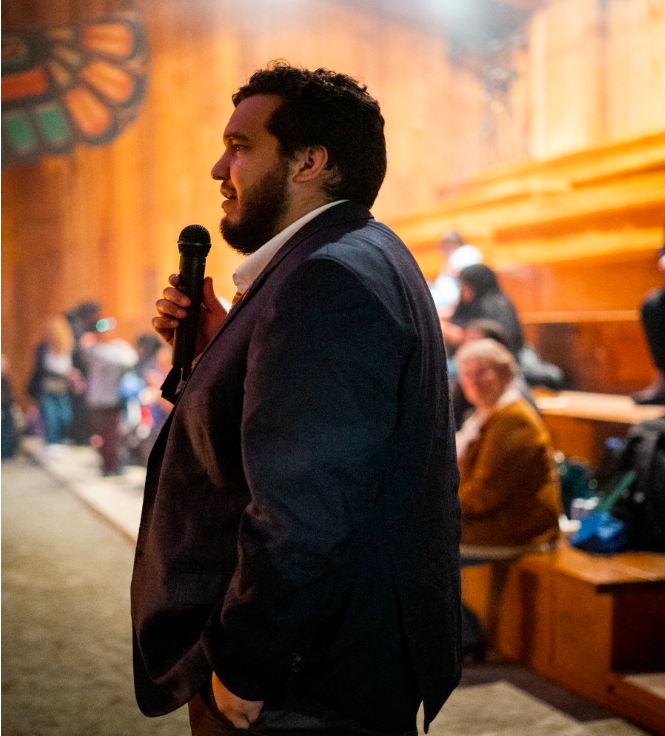
That is the difference between hosting an industry and owning a place in it.
Where the revenue goes
Own-source revenue is meaningful because of what it pays for. The connection between a salmon farm and a community program is direct.
Revenue from salmon farming helps fund housing. It supports social and mental health programs, education, and the growth of Guardian and stewardship programs. It contributes to wild salmon revitalization work led by the Nations themselves, through funding, training, and equipment.
The social effect is measurable. In remote Indigenous communities, stable economic opportunity of this kind has been linked to lower rates of suicide, overdose, and addiction. Those are not abstract policy outcomes. They are the difference a steady job and a funded community program make in a small place where both were once scarce.
Reversing the ban protects the structure that delivers all of this.
Where federal commitments and the coast can meet
The Government of Canada has set out clear commitments to economic reconciliation. Truth and Reconciliation Commission Call to Action 92 asks the corporate sector to ensure Indigenous communities gain long-term, sustainable benefit from economic development in their territories. The federal UN Declaration Act Action Plan commits Canada to aquaculture legislation that supports Indigenous self-determination.
Coastal First Nations have built something concrete that delivers on exactly those goals. Nation-owned equity. Own-source revenue funding real community services. A skilled, year-round workforce at home.
Reversing the federal government's 2029 salmon farming ban brings those federal commitments and this coastal economy into the same direction. It is a chance for Ottawa to support the very outcomes its own reconciliation framework calls for, in communities that have already done the work to make them real.
A decision Ottawa can act on
Economic reconciliation does not have to be designed from scratch. On the B.C. coast it already exists, with the equity stakes, the revenue, the jobs, and the community programs to show for it.
Building on it is a choice the federal government can make. Reversing the 2029 ban would support Indigenous-owned businesses, secure own-source revenue for the communities that count on it, and let coastal First Nations carry forward an economy they have spent decades building in their own territories.
That is what reconciliation looks like when it is given room to keep working.
References
- Coalition of First Nations for Finfish Stewardship, Modern Salmon Farming: A Review, Chapter 4: Indigenous Stewardship (2024).
- Coalition of First Nations for Finfish Stewardship, Modern Salmon Farming: A Review, Chapter 13: Community Benefits (2024).
- BC Salmon Farmers Association, First Nations FAQ.
- Truth and Reconciliation Commission of Canada, Calls to Action (2015).
- Government of Canada, United Nations Declaration on the Rights of Indigenous Peoples Act Action Plan (2023).
Frequently asked
How does salmon farming support economic reconciliation in B.C.?
Salmon farming delivers own-source revenue that coastal First Nations earn and control themselves. As of early 2022, the sector provided $51 million in annual direct economic benefit to First Nations communities and $21 million each year to Indigenous-owned businesses, funding housing, education, and community programs.
Do First Nations own parts of the B.C. salmon farming industry?
Yes. First Nations hold equity positions in the supply chain and operate Indigenous-led businesses including seafood processing, smoked and canned salmon products, transport boats, crew boats, and net-washing services. Some Nations are involved in the full path from farm to retail shelf.
What is own-source revenue and why does it matter?
Own-source revenue is money a Nation earns and controls itself, rather than funding that arrives from a federal department with conditions attached. It lets communities set their own priorities and fund programs on their own timeline, from housing to education to Guardian stewardship programs.
Coalition of First Nations for Finfish Stewardship